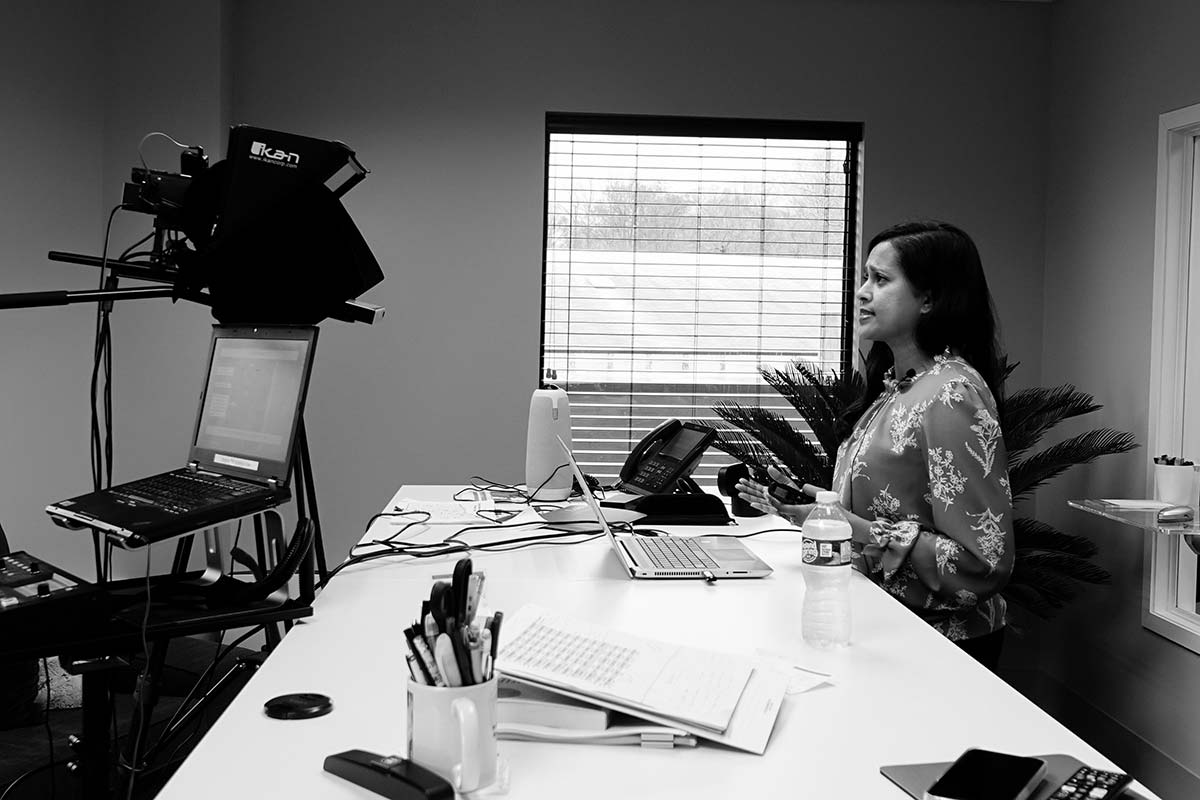
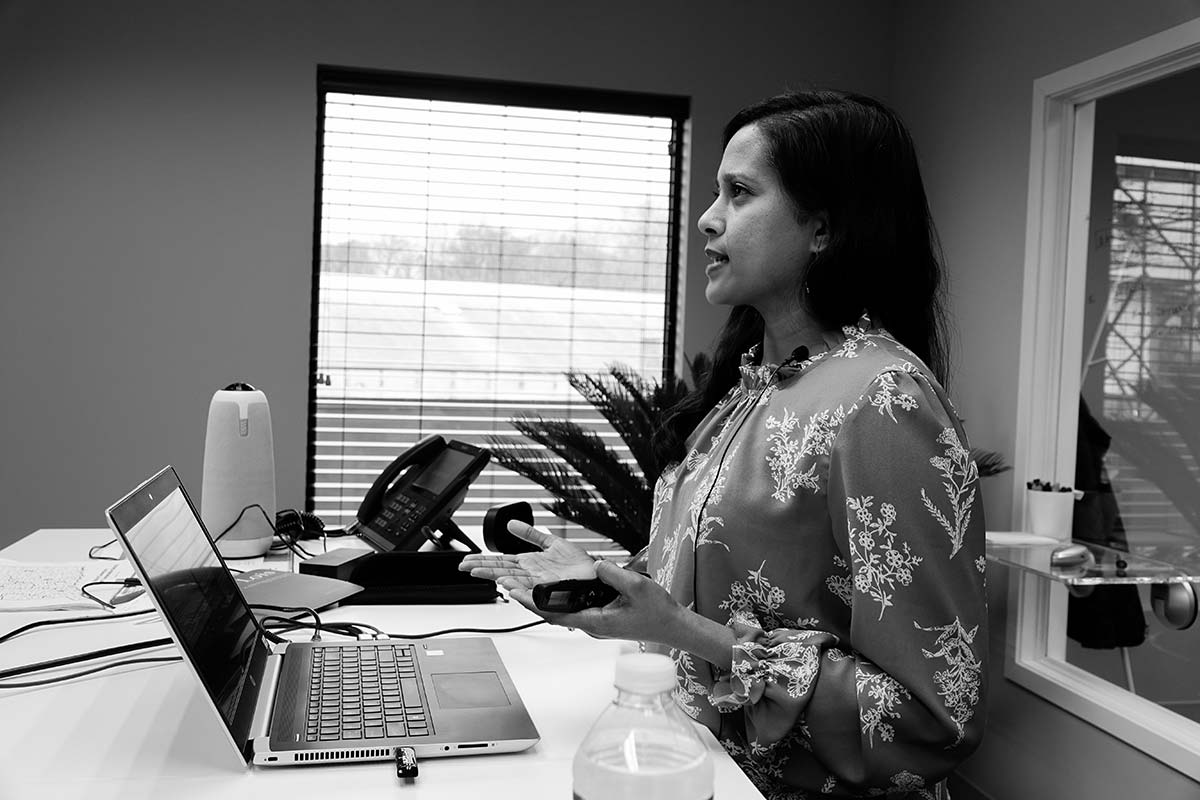
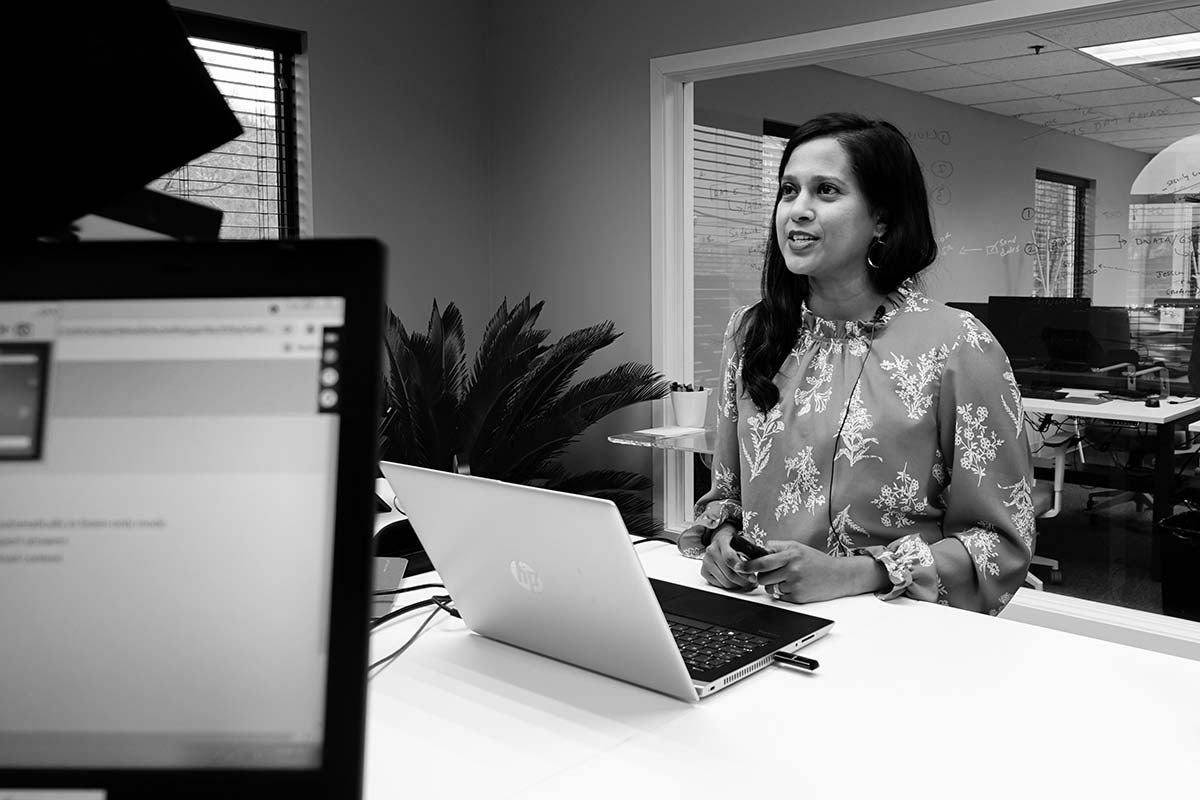
This video is from a live webinar that took place on:
In this live webinar, “Year-End Review of Construction Case Law,” Tashia Rasul, partner at Lois Law Firm, looks back at the important case law decisions of 2021 which will have an impact on how we defend claims in the future!
Tashia discusses the following:
Most important Workers’ Compensation construction accident trial and appellate decisions.
New case law impacting civil litigation.
A look ahead at how these case decisions will impact the practice in 2022.
Construction Defense Webinar Series
The Construction Litigation Webinar Series, from Lois Law Firm, is a monthly discussion of recent case law developments and best practices for handling construction accident claims in New York. These webinars are focused on practical claims-handling and perfect for your team members who need state-specific training or a refresher course for this jurisdiction! Each webinar features a live presentation followed by a Question & Answer session.
At LOIS, Tashia leads the New York Construction Practice, which exclusively handles workers’ compensation claims arising out of construction accidents. Tashia represents employers, self-ensured companies, insurance carriers and third party administrators before the workers’ compensation courts in New York.
Why LOIS Has a Dedicated Construction Defense Practice
Lois has a dedicated Construction Defense Practice because New York construction injuries often lead to two claims: one pending in workers’ compensation court and a civil case based on New York’s Labor Law. These cases are multi-jurisdictional as the two courts reviewing the same set of facts have very different jurisdictional limitations and powers. The injured worker is typically represented by seasoned counsel (from one of just a few firms who have turned construction claims into a specialty) and is aided by a statutory scheme in New York which creates a cottage industry of strict liability claims for employers. The embattled construction employer is therefore required to defend two claims at once filed by the same employee.